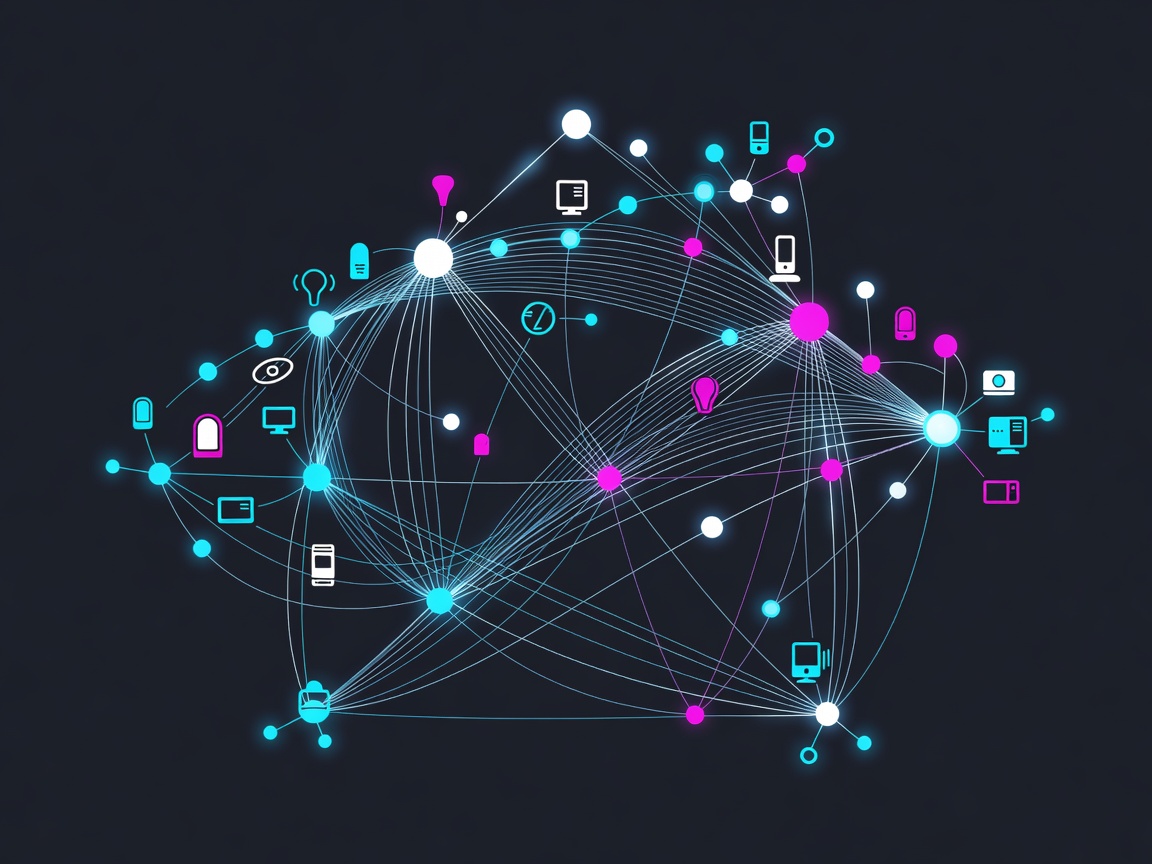
Security cameras have evolved from isolated recording devices into critical nodes within the broader smart home ecosystem. Modern surveillance acts as the eyes and ears of your house, capable of triggering complex automation routines that enhance both security and daily convenience.
Major Ecosystems and Compatibility
To achieve seamless automation, a camera must communicate fluently with a central smart home hub or voice assistant. The industry is largely divided into three major walled gardens, though new protocols are attempting to bridge these gaps.
- Amazon Alexa & Google Assistant: The most widely supported ecosystems. Cameras integrated here can cast live feeds to smart displays (like an Echo Show or Nest Hub), announce person detection over smart speakers, and utilize voice commands to arm or disarm systems.
- Apple HomeKit: Known for stringent privacy requirements, HomeKit support is less common. HomeKit Secure Video offers end-to-end encrypted cloud storage processed entirely on local Apple Hubs (HomePods or Apple TVs) before being uploaded to iCloud.
The Promise of Matter
Historically, consumers had to carefully check boxes to ensure a camera was compatible with their chosen ecosystem. The introduction of Matter, an open-source connectivity standard backed by all major tech conglomerates, is poised to change this. Matter aims to make smart home devices universally compatible, allowing a single camera to operate locally across Apple, Google, and Amazon platforms simultaneously, drastically reducing cloud latency.
Advanced Automation Routines
When integrated deeply, security cameras transcend simple recording. Because modern cameras utilize AI for advanced object detection (differentiating between a person, vehicle, animal, or package), they can act as highly specific triggers.
Examples of effective camera automations include:
- Illumination Triggers: If an outdoor camera detects a person (not a swaying branch) after sunset, it can command smart exterior floodlights to activate instantly.
- HVAC Efficiency: If an indoor camera confirms no human presence for an extended period, it can signal the smart thermostat to enter away mode, saving energy.
- Security Cascade: If an alarm system is triggered via a door sensor, it can automatically command all interior and exterior cameras to begin recording simultaneously, overriding any privacy scheduling.
Latency and Hub Requirements
A critical consideration in smart home integration is latency. Automations rely on swift communication. Cloud-to-cloud integrations (where the camera sends data to its manufacturer's server, which then talks to Amazon's server, which then triggers a light bulb) can introduce delays of several seconds.
For immediate response, local processing is required. Ecosystems utilizing Zigbee, Z-Wave, or local Matter controllers execute routines entirely within the home network. If your automations are security-critical, prioritize hardware that supports local API access or dedicated smart home hubs to eliminate cloud latency dependencies.